Traffic Controller
On this page
- What's it like to be a Traffic Controller?
- How to become a Traffic Controller
- Latest Traffic Controller jobs
- Top skills and experience for Traffic Controllers
- Is Traffic Controller the right role for you?
- Traffic Controller role reviews
What's it like to be a Traffic Controller?
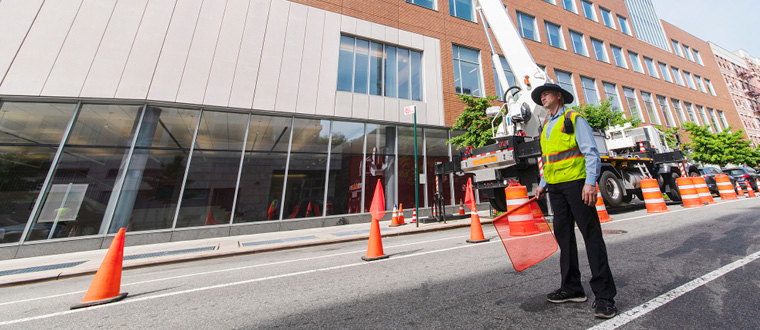
Traffic Controllers direct and manage the flow of vehicles and pedestrians around temporary work sites. Their duties generally include the distribution of cones and other temporary markers and signs, communicating with other members of the team on a two-way radio, and directing pedestrians and drivers—all outdoors. Traffic Controllers tend to work Monday to Friday, but they can sometimes be required to work after hours and on weekends.
Tasks and duties
- Directing traffic around areas of disruption, such as roadworks, accidents, building sites and planned maintenance.
- Directing pedestrians to maintain safety around traffic disruptions.
- Communicating via two-way radio with other team members, emergency response teams and construction workers to give and receive updates on traffic conditions.
- Operating road signs, such as a stop/slow bat, and using hand signals to direct the flow of traffic and pedestrians.
- Explaining operations and answering driver and pedestrian questions.
- Setting up and taking down temporary road signs.
How to become a Traffic Controller
You don’t need any specific qualifications to become a Traffic Controller but completing certain short courses can help.
Get a full driver’s license as many Traffic Controller jobs require this.
Consider getting a Traffic Management (TM) Operative Warrant from Waka Kotahi. While some Traffic Controller jobs will provide the training you need, if you’ll be put in a decision-making position, you’ll need this warrant.
You can also consider completing a two-day Site Traffic Management Supervisor (STMS) (Level 1) course after getting the TM Operative Warrant. This will allow you to work in a Traffic Controller supervisory role, as required by NZTA’s Code of Practice for Temporary Traffic Management.
